
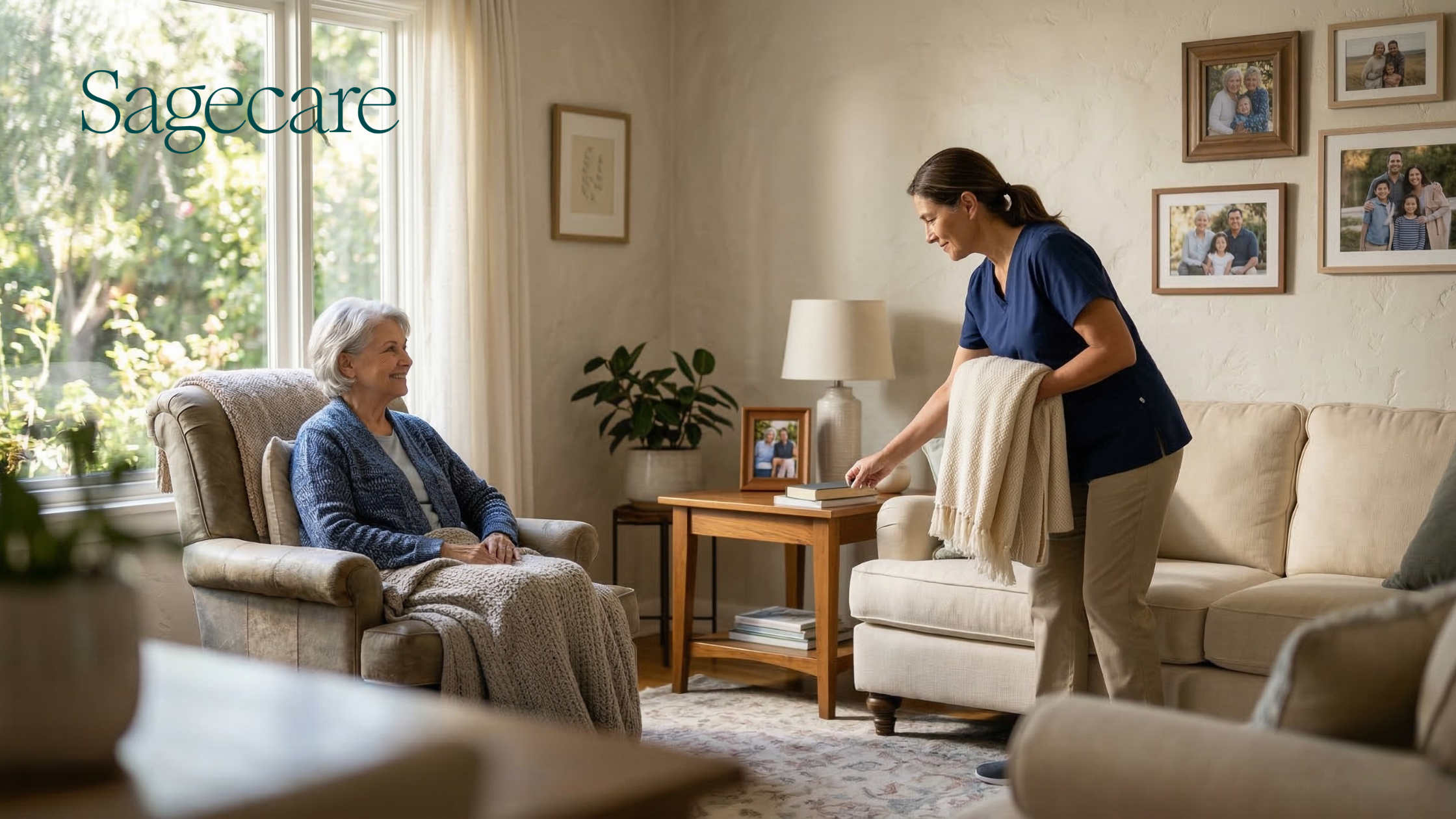
Spring cleaning often symbolizes a fresh start. For families caring for someone living with dementia, it can also bring a mix of anxiety, fatigue, and difficult decisions. What feels like a simple refresh can unintentionally disrupt routines, erase familiar cues, or increase confusion for someone who relies on consistency to feel safe.
A dementia friendly home is not defined by how spotless it looks. It is defined by how well it supports comfort, clarity, and dignity. With the right approach, spring cleaning can reduce risks, ease cognitive strain, and create a calmer environment without making the space feel unfamiliar or clinical.
This guide walks through how to approach spring cleaning thoughtfully, balancing safety improvements with emotional reassurance, and supporting caregivers along the way.
Start With Safety Without Changing What Feels Like Home
Before sorting or scrubbing begins, it helps to step back and view the home through a cognitive lens. Dementia affects how a person interprets space, depth, contrast, and patterns. Small environmental changes can either reduce stress or unintentionally increase it.
The goal is not to redesign the home, but to gently support dementia home safety by identifying hazards that may have gone unnoticed. Look for cluttered walkways, unstable furniture, loose cords, or items that require reaching or bending. Addressing these quietly and gradually helps preserve a sense of control and familiarity.
Health agencies like the U.S. National Institute on Aging emphasize that home safety for people living with dementia should focus on preventing falls and confusion without introducing unnecessary disruption. Their Alzheimer’s caregiving home safety guidance reinforces the value of subtle, preventive changes rather than dramatic overhauls.
Involving the person living with dementia where possible also matters. Even simple choices like which blanket stays on the couch or which lamp remains in the bedroom can reinforce dignity and reduce resistance.
Decluttering and Organization Without Overwhelm
Decluttering is often the most emotionally charged part of spring cleaning. While excess items can increase confusion and fall risk, removing too much too quickly can be deeply unsettling.
Focus on reducing visual noise rather than clearing everything away. Open surfaces should remain recognizable and purposeful. A side table with a lamp and a photo is easier to interpret than one crowded with miscellaneous objects or completely bare.
Storage should support routine. Everyday items should remain visible and accessible, while rarely used items can be relocated quietly. This approach aligns with practical senior home safety tips while respecting emotional attachment to personal belongings.
Avoid reorganizing entire rooms at once. Work in small zones, and allow time for adjustment before moving on.
Flooring and Safety Hazards That Often Go Unnoticed
Flooring plays a major role in fall prevention and spatial perception. Changes in flooring patterns, dark rugs, or shiny surfaces can be misinterpreted as holes, steps, or obstacles.
During spring cleaning, remove throw rugs that slide or curl at the edges. Secure remaining rugs with non slip backing. Check for uneven thresholds between rooms and ensure carpets lie flat.
Shoes and mobility aids should have consistent storage locations to prevent searching or bending. These subtle updates significantly improve Alzheimer’s home safety without drawing attention to change.
Clinical resources used in hospital based memory clinics, including guidance from University Health Network in Toronto, highlight flooring consistency and clutter free pathways as key factors in reducing confusion and falls at home.
Lighting and Visibility That Reduce Confusion
Good lighting supports orientation and reduces agitation, especially during early mornings and evenings. Natural light should be maximized by cleaning windows and keeping curtains simple and easy to operate.
Replace burnt out bulbs and ensure lighting levels are consistent from room to room. Shadows and glare can distort perception, making spaces feel unfamiliar or threatening.
Night lights in hallways and bathrooms can support safe movement after dark. These changes enhance visibility while supporting aging in place with dementia in a way that feels gentle and unobtrusive.
Bathroom Adaptations That Support Independence
Bathrooms are high risk areas and often benefit the most from thoughtful spring updates. Focus on safety features that blend into the existing space.
Non slip mats, secure grab bars, and clearly visible towels can make daily routines easier. Keep frequently used items like soap and toothbrushes in the same place to reinforce habit and reduce frustration.
Avoid introducing too many new products at once. Familiar scents, packaging, and layouts help maintain comfort during personal care. These adaptations support dignity while easing physical demands on caregivers.
The Public Health Agency of Canada’s Safe Living Guide for seniors reinforces that simple bathroom modifications can significantly reduce injury risk while preserving independence at home.
Eating and Drinking Support Through Simple Changes
The kitchen is another space where small adjustments can have a big impact. Visual clutter, mismatched dishes, or crowded cupboards can interfere with eating and hydration.
Simplify table settings and use plates that contrast with food to improve visibility. Keep snacks and cups in consistent, easy to reach locations. During spring cleaning, discard expired items and reduce excess packaging that may cause confusion.
These adjustments complement a broader dementia care plan by supporting nutrition and independence without introducing unnecessary complexity.
Labeling and Reminders That Guide Gently
Labels can be helpful when used thoughtfully. Clear words paired with simple images can support recognition without feeling infantilizing.
Consider labeling drawers, cupboards, or doors that are frequently used. Reminders should be placed at eye level and written in calm, familiar language.
Avoid over labeling, which can create visual clutter and stress. The aim is gentle guidance, not constant instruction. When done well, labels quietly reinforce routine and confidence.
National dementia organizations, including the Alzheimer Society of Canada, emphasize that environmental cues should guide rather than control, supporting safety while maintaining dignity.
Engagement and Activity That Reduce Restlessness
Spring cleaning is also an opportunity to refresh engagement spaces. Familiar activities should remain accessible and inviting.
Organize puzzles, music, or craft supplies in visible, consistent locations. Rotate items seasonally but keep favorites within reach. This supports meaningful engagement and reduces restlessness or agitation.
Including the person living with dementia in light tasks can also foster connection and purpose. Folding towels or sorting familiar items offers participation without pressure.
Supporting the Caregiver Through Shared Responsibility
Spring cleaning can be physically exhausting and emotionally heavy for caregivers. Trying to manage everything alone increases burnout and stress.
Recognizing when to seek caregiver support services is an important part of sustainable care. Extra help can ease the workload and provide reassurance that changes are being made thoughtfully and safely.
Professional guidance can also help families navigate difficult decisions about what to keep, what to adapt, and how to plan for future needs.
When At Home Support Makes All the Difference
Creating and maintaining a dementia friendly home is an ongoing process. Needs change, and what feels manageable one year may become overwhelming the next.
Working with Sagecare allows families to approach these transitions collaboratively. In home support can help with physical tasks, environmental adjustments, and emotional reassurance for both caregivers and their loved ones.
With the right approach, spring cleaning becomes less about clearing space and more about creating calm. Thoughtful changes, guided by understanding and compassion, help homes remain safe, familiar, and supportive through every stage of dementia care.